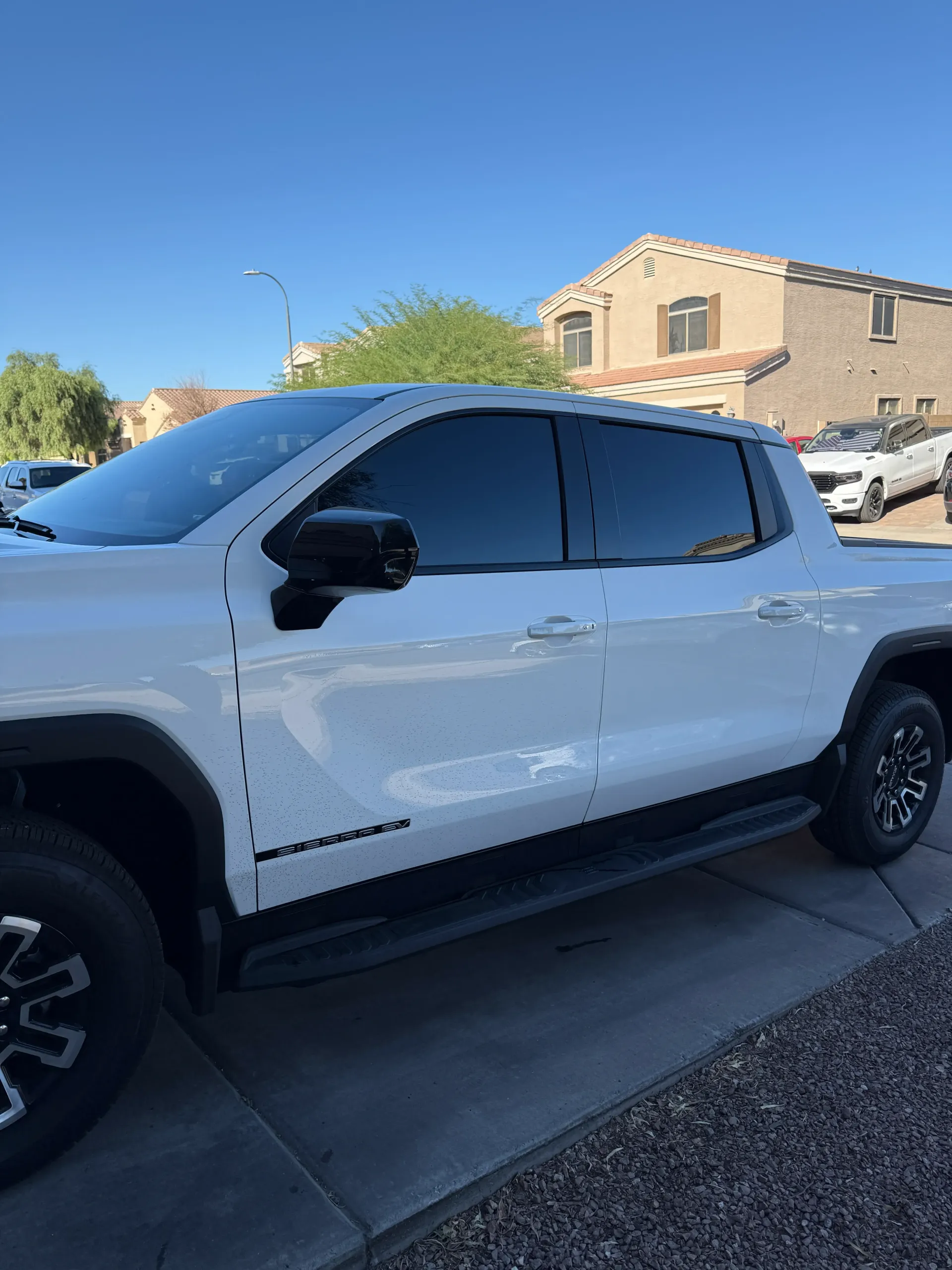
Best SUV Window Tint for Cave Creek, AZ: 2026 Heat Protection Guide Drivers searching for the best window tint for SUVs in Cave Creek, AZ face one of the most demanding climates in the country. The Sonoran Desert brings extreme heat, intense UV exposure, and fine dust that can wear down standard materials over time. SUVs are especially affected because of their larger glass surface area, which allows more heat and sunlight to enter the cabin. This guide explains which window tint technologies perform best in Cave Creek and what factors matter most for long-term durability. Why Standard Window Tint Fails in Cave Creek’s Desert Heat Standard dyed window films are designed primarily to reduce glare. In the general sense, they provide limited infrared heat rejection and may degrade faster under prolonged sun exposure, depending on the manufacturer. In SUVs, this limitation becomes more noticeable. Larger windows, including rear cargo glass and roof panels, allow more heat to build up inside the vehicle throughout the day. Cave Creek’s elevation also increases UV intensity, which can accelerate fading and wear on interior surfaces. In addition, desert dust can create micro-scratches along window edges during regular use. High-performance films with protective coatings are better suited for this environment because they are designed to maintain clarity and durability under these conditions. Ceramic vs. Carbon Window Tint for Arizona SUV Drivers Window tint performance depends largely on the type of film used. The three main categories are dyed, carbon, and nano-ceramic films. Dyed films provide basic privacy and glare reduction but limited heat control. Carbon film improves heat rejection and color stability, offering a mid-range option for SUV owners. Nano-ceramic film represents the highest level of performance, using non-metallic particles to block heat at the infrared level rather than just reducing visible light. Nano-Ceramic Film for Large Cabins Nano-ceramic film is engineered to block a significant portion of infrared radiation before it enters the vehicle. This reduces heat buildup across the entire cabin, which is especially important for SUVs with large glass areas. Because it does not contain metal, nano-ceramic film does not interfere with GPS, mobile signals, or vehicle sensors. It is designed to maintain performance and clarity over time, even under intense sun exposure. For larger vehicles, the benefit is more consistent temperature control and reduced strain on the vehicle’s air conditioning system during hot conditions. How Infrared Rejection Improves Cabin Comfort Infrared radiation is the primary source of radiant heat felt inside a vehicle. Even when air temperature is similar, surfaces exposed to infrared energy can feel significantly hotter. Window films with high infrared rejection reduce this heat buildup, helping interior surfaces stay cooler. This difference becomes more noticeable in SUVs, where larger windows allow more solar energy to enter. In desert conditions like Cave Creek, nano-ceramic films generally provide stronger infrared rejection than carbon films, making them more effective for long-term heat control. Protecting Your SUV’s Interior from UV and Heat Damage Cave Creek’s environment exposes vehicles to strong UV radiation throughout the year. In SUVs, the larger interior space and expanded glass areas increase the amount of sunlight reaching seats, dashboards, and trim. High-performance films are designed to block nearly all UV radiation, helping slow the fading and wear of interior materials. This is especially important for vehicles with leather, soft-touch surfaces, or panoramic glass roofs. A clear ceramic film applied to the windshield can also reduce heat and UV exposure without changing visibility. This type of application is often used to improve overall cabin comfort while maintaining a natural appearance. Cost Factors for SUV Tinting in Cave Creek SUV window tinting typically requires more material and installation time than smaller vehicles. Larger windows, rear cargo glass, and curved surfaces all contribute to the complexity of the installation. Film type is one of the main factors influencing cost. Higher-performance materials, such as nano-ceramic films, involve more advanced manufacturing processes. Additional coverage, such as windshields or panoramic roofs, also affects the overall scope of the installation. Durability is another consideration. High-quality films are designed to resist bubbling, peeling, and fading over time, which is particularly important in areas with strong sun exposure like Cave Creek. Frequently Asked Questions What is the best window tint for Arizona heat? Nano-ceramic film is widely considered one of the most effective options for reducing heat in high-temperature environments because of its ability to block infrared radiation. What are the window tint laws for SUVs in Arizona? Arizona generally requires front side windows to allow a certain level of visible light transmission. Rear windows on SUVs are less restricted, while windshield tint is typically limited to a strip at the top. Why does SUV tinting cost more than sedan tinting? SUVs have larger and more complex glass areas, including rear cargo windows and roof panels. These require more material and precision during installation. How long does ceramic tint last in desert conditions? High-quality ceramic films are designed for long-term performance and are built to withstand prolonged sun exposure, though longevity can vary depending on installation and product quality. 📞 Call *phone number* for a professional assessment of your vehicle and find out which window tint solution provides the right balance of heat reduction, UV protection, and long-term durability for your SUV in Cave Creek.
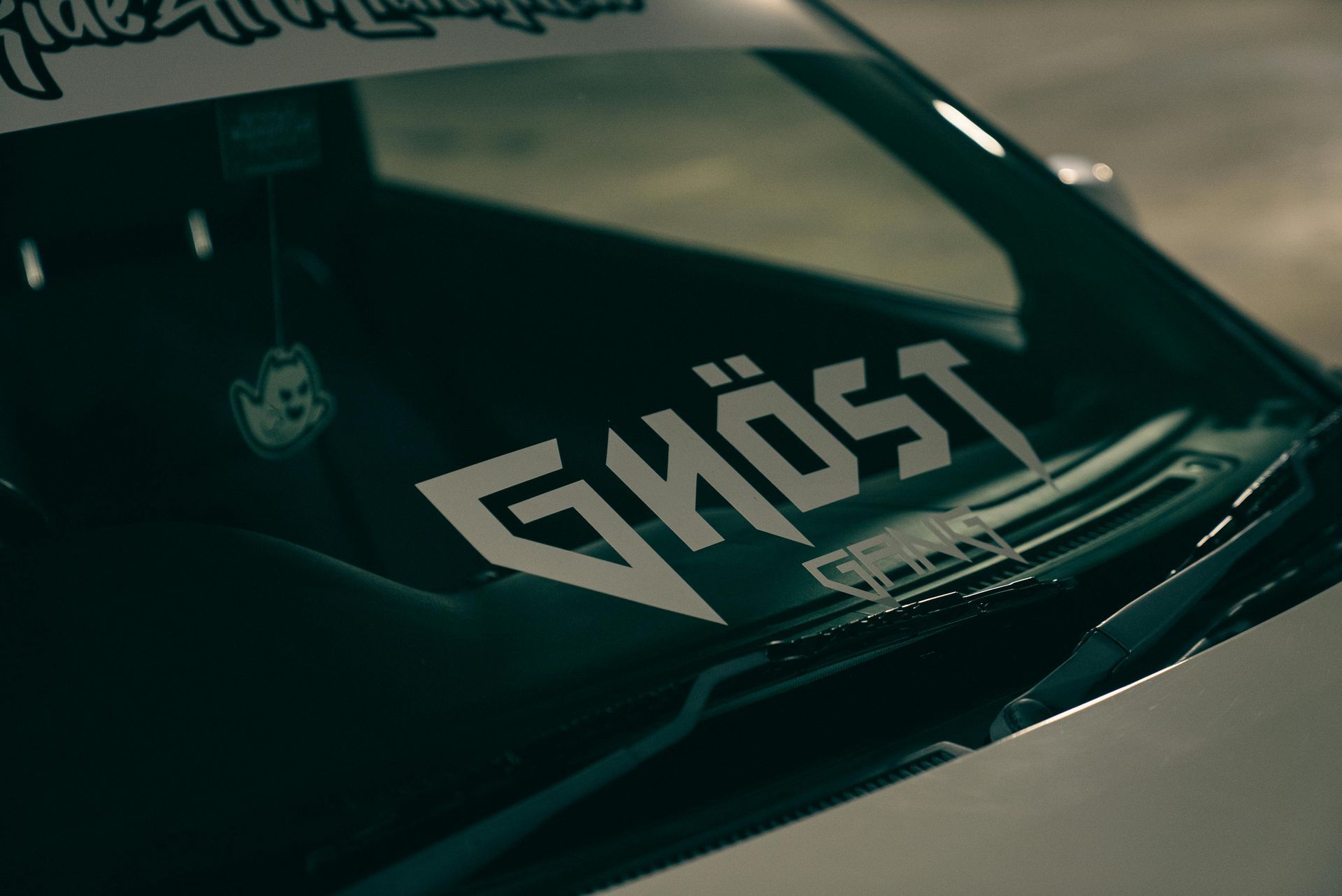
Legal & Safe Windshield Window Tint Options in Cave Creek, AZ If you are researching the best window tint for windshields Cave Creek AZ drivers can legally use, you need clear answers about both performance and compliance. Cave Creek’s desert climate brings extreme heat, intense UV exposure, and long commutes into direct sun. At the same time, Arizona windshield tint laws 2026 set strict limits on what is allowed. This guide explains AS-1 line tinting AZ rules, legal VLT for windshields Arizona enforces, and how to choose a heat reduction windshield film that stays safe, clear, and effective in the Sonoran Desert. Understanding Arizona Windshield Tint Laws (2026 Update) Arizona windshield tint laws 2026 focus on visibility and safety. The windshield must remain largely clear, with limited non-reflective tint allowed in specific areas. The AS-1 Line Rule: What It Is and Why It Matters for Cave Creek The AS-1 line is a small marking etched near the top corners of most windshields. Under AS-1 line tinting AZ guidelines, non-reflective tint is allowed above this line only.This creates a legal visor strip across the top of the windshield. For drivers heading south on Cave Creek Road into the morning sun, this strip helps reduce glare without darkening the main viewing area. On sedans, the AS-1 mark is usually close to the upper edge. On trucks and SUVs, it may sit slightly lower due to taller glass. Regardless of vehicle type, darker film must stay above that marking. Below the AS-1 Line: Legal Windshield Tint Options & Clear Ceramic Exceptions Below the AS-1 line, the windshield must maintain the legal VLT Arizona requires. Dark films similar to 33% VLT used on front side windows are not installed across the full windshield because they reduce forward visibility and do not comply with state rules. However, this does not mean the windshield must remain untreated.Many drivers misunderstand “clear tint.” A clear ceramic windshield tint in the 70%–90% VLT range can reject substantial heat while remaining nearly invisible. When properly selected and installed, these high-VLT films provide strong IR rejection performance without changing the appearance of the glass. Why Cave Creek Drivers Need Specialized Windshield Tint Cave Creek sits in the Sonoran Desert, where vehicles face prolonged sun exposure and high ambient temperatures for much of the year. Windshields allow significant solar energy into the cabin, especially during mid-day parking or low-angle sun in early morning and late afternoon. IR Rejection vs. Darkness: Why “Limo Tint” Isn’t Ideal for Desert Heat Heat inside your vehicle is driven primarily by infrared (IR) energy, not brightness alone. A dark film may reduce glare, but it does not guarantee strong heat rejection. This is where ceramic windshield tint vs carbon matters. High-quality nano-ceramic films use advanced particle technology to target infrared energy. A 70%–90% VLT ceramic film can appear factory-clear while reducing interior heat buildup. For drivers parking near trailheads or along Carefree Highway, the difference is noticeable. Vehicles without IR-rejecting film can reach extreme temperatures in direct sun. A high-performance windshield film can slow cabin overheating and reduce strain on the AC system. Protecting Your Dashboard from the Intense Sonoran Sun Cave Creek drivers are familiar with cracked dashboards and faded interiors. Prolonged UV exposure accelerates warping, discoloration, and material breakdown. Quality ceramic films can block the vast majority of UV radiation while also lowering surface temperatures. Over time, this helps preserve dashboards, trim, and upholstery. Dyed films can fade in the general sense, depending on the manufacturer. For windshield applications in extreme heat, advanced nano-ceramic options, such as those made by HITEK Films , provide greater stability, clarity, and long-term performance. Ceramic vs. Carbon: Which Is Best for Your Windshield in Cave Creek? When comparing Ceramic windshield tint vs carbon, both options outperform older dyed technology. The difference lies in infrared rejection and optical clarity. Nano-Ceramic Technology: The Gold Standard for 100°F+ Days Nano-ceramic film is made for high solar performance while remaining non-metallic and optically clear. This makes it ideal for clear ceramic tint for windshields where visibility is critical. Premium nano-ceramic windshield films, such as those made by HITEK Films , are designed for strong IR rejection window film performance without signal disruption or visual distortion. Signal Interference: Why Metalized Tints Are Risky in Rural Cave Creek Metalized films use microscopic metal layers to reflect heat. While effective in some applications, those metals can interfere with GPS, cellular signals, and embedded windshield antennas. Carbon films are non-metallic and offer solid heat control. However, they generally provide lower infrared rejection than advanced nano-ceramic options. For windshields, ceramic typically delivers the highest heat reduction while maintaining clarity. Recommended Legal & Safe Tint Percentages for Cave Creek Windshields For compliance and performance, focus on clarity with heat rejection. Recommended legal and safe setup: Visor strip above AS-1 line: Around 33% VLT for glare control. Main windshield below AS-1 line: 70%–90% VLT clear ceramic for heat reduction and UV protection. This approach aligns with legal VLT for windshields Arizona enforces while providing meaningful comfort benefits. The windshield retains a factory appearance, yet the interior experiences reduced heat buildup during Cave Creek summers.