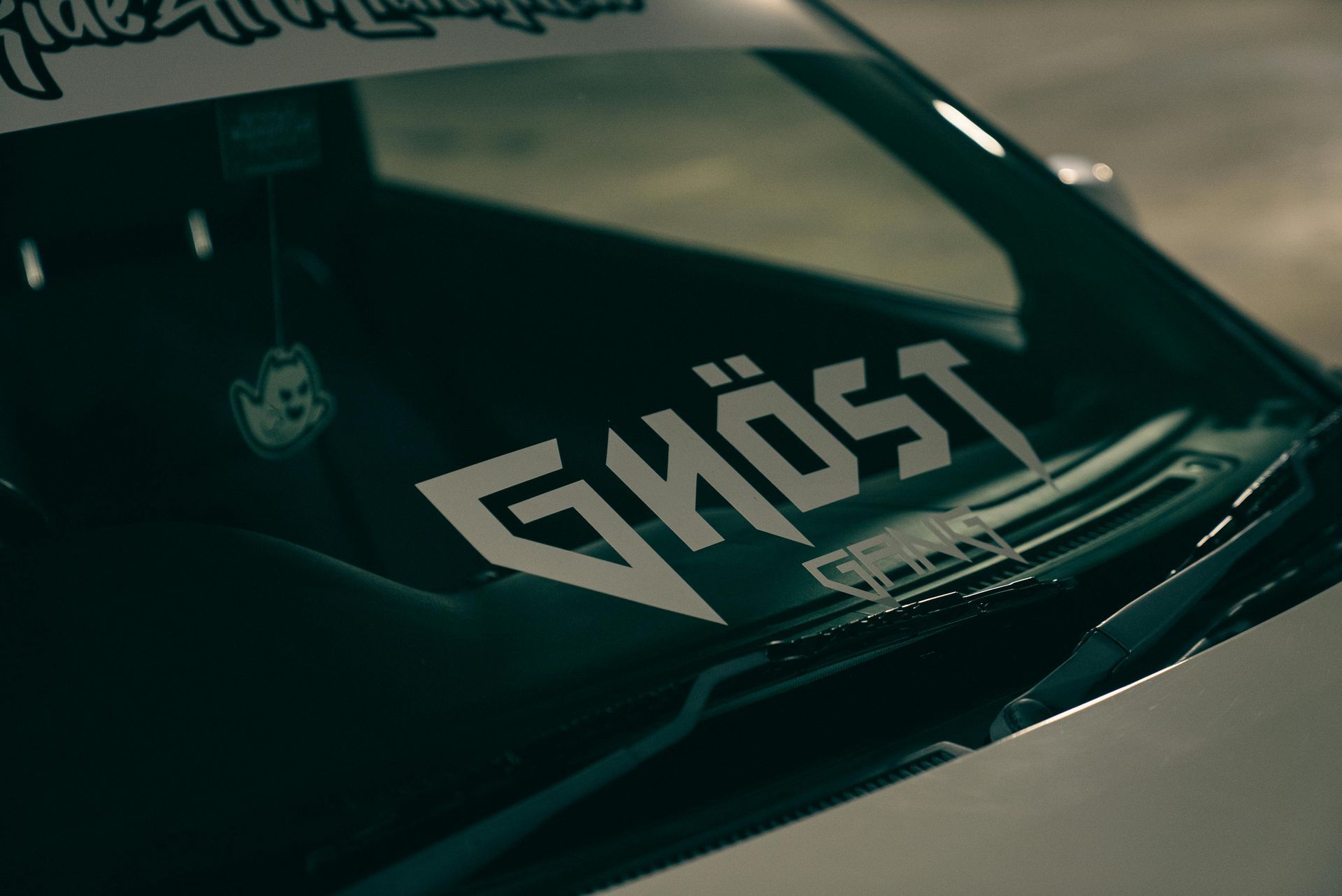
Legal & Safe Windshield Window Tint Options in Cave Creek, AZ If you are researching the best window tint for windshields Cave Creek AZ drivers can legally use, you need clear answers about both performance and compliance. Cave Creek’s desert climate brings extreme heat, intense UV exposure, and long commutes into direct sun. At the same time, Arizona windshield tint laws 2026 set strict limits on what is allowed. This guide explains AS-1 line tinting AZ rules, legal VLT for windshields Arizona enforces, and how to choose a heat reduction windshield film that stays safe, clear, and effective in the Sonoran Desert. Understanding Arizona Windshield Tint Laws (2026 Update) Arizona windshield tint laws 2026 focus on visibility and safety. The windshield must remain largely clear, with limited non-reflective tint allowed in specific areas. The AS-1 Line Rule: What It Is and Why It Matters for Cave Creek The AS-1 line is a small marking etched near the top corners of most windshields. Under AS-1 line tinting AZ guidelines, non-reflective tint is allowed above this line only. This creates a legal visor strip across the top of the windshield. For drivers heading south on Cave Creek Road into the morning sun, this strip helps reduce glare without darkening the main viewing area. On sedans, the AS-1 mark is usually close to the upper edge. On trucks and SUVs, it may sit slightly lower due to taller glass. Regardless of vehicle type, darker film must stay above that marking. Below the AS-1 Line: Legal Windshield Tint Options & Clear Ceramic Exceptions Below the AS-1 line, the windshield must maintain the legal VLT Arizona requires. Dark films similar to 33% VLT used on front side windows are not installed across the full windshield because they reduce forward visibility and do not comply with state rules. However, this does not mean the windshield must remain untreated. Many drivers misunderstand “clear tint.” A clear ceramic windshield tint in the 70%–90% VLT range can reject substantial heat while remaining nearly invisible. When properly selected and installed, these high-VLT films provide strong IR rejection performance without changing the appearance of the glass. Why Cave Creek Drivers Need Specialized Windshield Tint Cave Creek sits in the Sonoran Desert, where vehicles face prolonged sun exposure and high ambient temperatures for much of the year. Windshields allow significant solar energy into the cabin, especially during mid-day parking or low-angle sun in early morning and late afternoon. IR Rejection vs. Darkness: Why “Limo Tint” Isn’t Ideal for Desert Heat Heat inside your vehicle is driven primarily by infrared (IR) energy, not brightness alone. A dark film may reduce glare, but it does not guarantee strong heat rejection. This is where ceramic windshield tint vs carbon matters. High-quality nano-ceramic films use advanced particle technology to target infrared energy. A 70%–90% VLT ceramic film can appear factory-clear while reducing interior heat buildup. For drivers parking near trailheads or along Carefree Highway, the difference is noticeable. Vehicles without IR-rejecting film can reach extreme temperatures in direct sun. A high-performance windshield film can slow cabin overheating and reduce strain on the AC system. Protecting Your Dashboard from the Intense Sonoran Sun Cave Creek drivers are familiar with cracked dashboards and faded interiors. Prolonged UV exposure accelerates warping, discoloration, and material breakdown. Quality ceramic films can block the vast majority of UV radiation while also lowering surface temperatures. Over time, this helps preserve dashboards, trim, and upholstery. Dyed films can fade in the general sense, depending on the manufacturer. For windshield applications in extreme heat, advanced nano-ceramic options, such as those made by HITEK Films , provide greater stability, clarity, and long-term performance. Ceramic vs. Carbon: Which Is Best for Your Windshield in Cave Creek? When comparing Ceramic windshield tint vs carbon, both options outperform older dyed technology. The difference lies in infrared rejection and optical clarity. Nano-Ceramic Technology: The Gold Standard for 100°F+ Days Nano-ceramic film is made for high solar performance while remaining non-metallic and optically clear. This makes it ideal for clear ceramic tint for windshields where visibility is critical. Premium nano-ceramic windshield films, such as those made by HITEK Films , are designed for strong IR rejection window film performance without signal disruption or visual distortion. Signal Interference: Why Metalized Tints Are Risky in Rural Cave Creek Metalized films use microscopic metal layers to reflect heat. While effective in some applications, those metals can interfere with GPS, cellular signals, and embedded windshield antennas. Carbon films are non-metallic and offer solid heat control. However, they generally provide lower infrared rejection than advanced nano-ceramic options. For windshields, ceramic typically delivers the highest heat reduction while maintaining clarity. Recommended Legal & Safe Tint Percentages for Cave Creek Windshields For compliance and performance, focus on clarity with heat rejection. Recommended legal and safe setup: Visor strip above AS-1 line: Around 33% VLT for glare control. Main windshield below AS-1 line: 70%–90% VLT clear ceramic for heat reduction and UV protection. This approach aligns with legal VLT for windshields Arizona enforces while providing meaningful comfort benefits. The windshield retains a factory appearance, yet the interior experiences reduced heat buildup during Cave Creek summers.
Window Tint Longevity in Cave Creek, AZ: Desert Survival Guide You’re wondering how long window tint lasts in Cave Creek, AZ, where intense desert sun, high elevation, and sudden weather shifts test every window film. General timelines found online rarely account for Sonoran Desert conditions. This guide explains realistic lifespan expectations for Cave Creek, how different tint materials respond to the environment, and what factors most influence long-term performance without sales pressure or brand comparisons. The Cave Creek Timeline: Realistic Lifespan Expectations How long does window tint last in Cave Creek, AZ? Here, real-world lifespan often falls shorter than manufacturer estimates from intense UV and heat. High-performance films last years longer than entry-level; budget ones decline visibly or in performance sooner. Separate visual from performance longevity: films may look fine but stop rejecting heat. In Cave Creek, performance fades before discoloration, especially in lower-grade materials. Why Material Choice Is Everything in the Sonoran Desert Material selection dictates window tint survival in Cave Creek’s desert. Arizona’s high UV and prolonged heat speed breakdown in some films. Dyed films degrade faster in harsh climates, varying by manufacturer; advanced constructions handle UV and temps better. Dyed Film: Why It Fails in 2–3 Years in the Desert Dyed tint uses pigments to cut glare. These dyes fade or discolor under sustained desert sun, per manufacturer and quality. Breakdown causes color shift, lost clarity, trapped heat. Durable alternative: non-dyed tech from HITEK Films , made for heat reduction sans unstable pigments. Carbon Film: Solid Mid-Tier, but Limited Against Cave Creek’s IR Heat Carbon tint swaps dyes for particles, boosting stability and lifespan. It outlasts dyed films with steady UV protection. Yet in desert heat, carbon allows noticeable IR into vehicles. Cave Creek drivers seeking max long-term heat control see limitations in peak summer. Ceramic Film: Why Heat Rejection Matters More Than Darkness Ceramic window tint uses advanced ceramic particles to block heat rather than absorb it. This keeps films lighter while delivering strong thermal performance. In Cave Creek, ceramics are top for durability: they resist UV degradation, hold clarity, and perform after years of sun. Ideal for Arizona residential film and desert-road vehicles. 3 Local Factors That Kill Tint Faster in Cave Creek Cave Creek’s environment introduces stressors that shorten window tint lifespan compared to lower-elevation or coastal areas. UV Intensity at Higher Elevation Cave Creek sits well above the Phoenix valley floor. Higher elevation increases UV intensity, which forces window film to work harder every day. This additional exposure accelerates material fatigue, particularly in films not designed for desert climates. Monsoon Season and Thermal Shock Monsoon tint impact is underestimated. Sudden heat-to-rain shifts cause glass expansion/contraction. Thermal shock weakens adhesives over time, causing edge lift or bubbles in low-quality installs. Abrasive Desert Dust and Cleaning Mistakes Windblown desert dust is common in and around Cave Creek. When abrasive particles are wiped across glass with the wrong cloth or cleaner, micro-scratches form. These scratches increase surface heat and indirectly stress the interior film. Gentle cleaning methods help preserve both the glass and the tint. Maintenance: How to Extend Your Tint’s Lifespan Proper care plays a major role in how long window tint lasts in Cave Creek. Use ammonia-free cleaner. Ammonia can weaken adhesives and damage protective layers over time. Reduce direct sun exposure. Windshield sunshades and shaded parking reduce daily thermal stress on the film. Clean carefully. Soft microfiber cloths prevent abrasive damage caused by desert dust. Consistent maintenance helps window tint age closer to its intended lifespan rather than failing prematurely in desert conditions. When to Replace: Signs Your Tint Is Failing Understanding the signs of sun-damaged tint helps prevent visibility issues and performance loss. Common indicators include: Color changes such as purple or brown tones Bubbling or lifting at edges Hazy or distorted visibility, especially noticeable at night on dark Cave Creek roads Increased interior heat compared to previous seasons As tint degrades, visible light transmission can change as well. Arizona legal tint percentages for 2026 require compliance on front windows, and worn film can fall out of compliance without obvious warning.
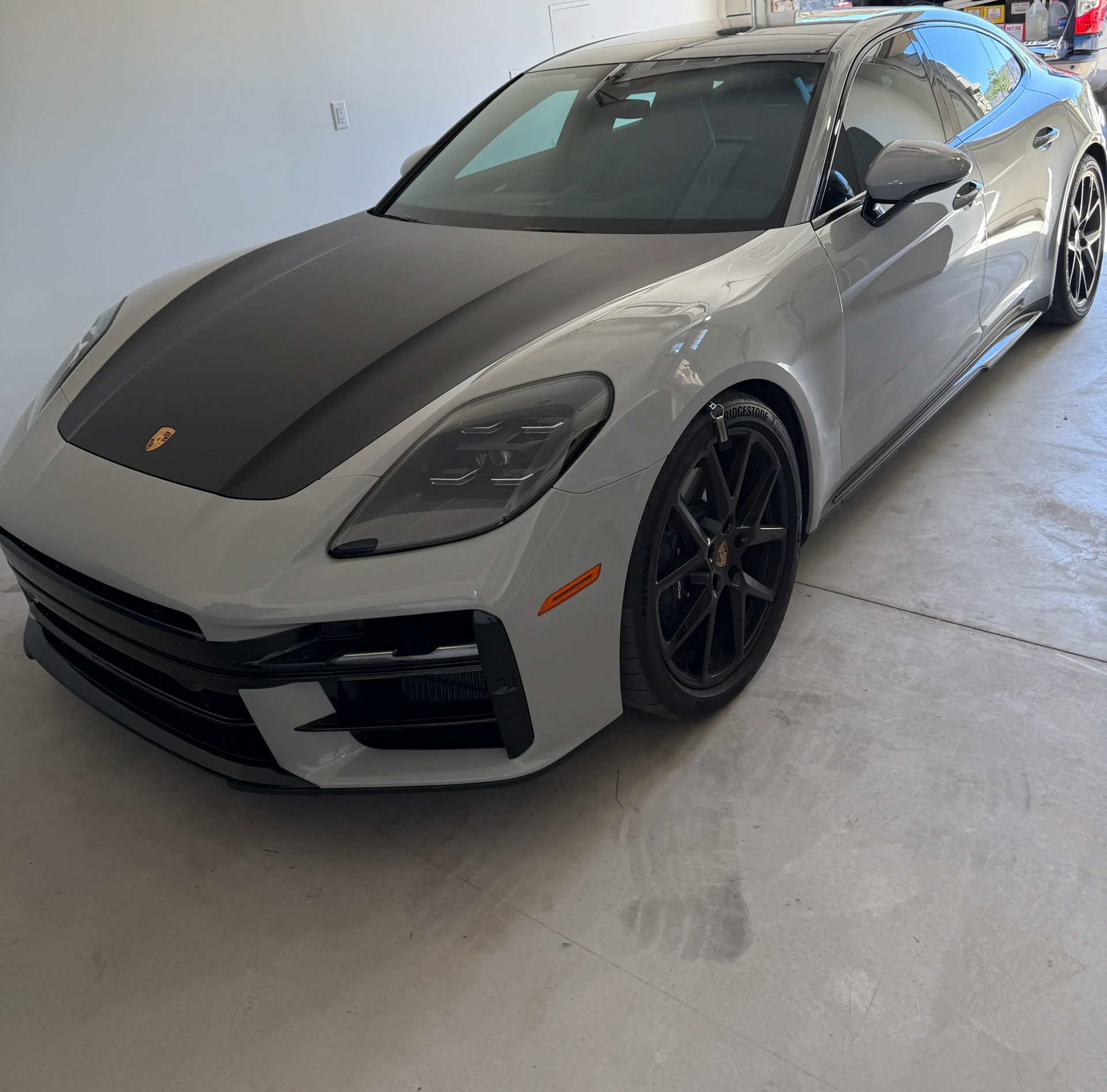
Nighttime Visibility Guide: Window Tint in Cave Creek, AZ Cave Creek drivers wonder if window tint cuts night visibility on rural desert roads. It balances daytime heat rejection with safe low-light driving. Roads range from lit Scottsdale areas to pitch-black stretches needing quick hazard spotting.Premium nano-ceramic films keep high clarity and low distortion at moderate VLT. They support safer night drives without losing heat benefits. Pick based on VLT, quality, type, and local lighting. What Is Window Tint and How Does It Affect Night Visibility? Window tint cuts incoming light and affects night vision based on VLT percentage. VLT measures light passing through film and glass. Higher VLT lets in more light for clear views. Lower VLT darkens things and hurts low-light driving. Nano-ceramic films give sharp clarity without signal issues. They’re perfect for Cave Creek’s urban-rural mix. They cut headlight glare while keeping views crisp from bright days to dark nights. Does Window Tint Actually Affect Visibility at Night? Different VLT levels create clear nighttime effects. Premium 35% films cut glare and UV with little visibility loss. Top films keep 99% clarity in low light. 50% VLT — has minimal night impact. It softens glare while keeping sightlines clear, ideal when visibility matters most. 35% VLT — suits Cave Creek drivers with IR/UV protection and reliable clarity. Signs, traffic, and edges stay visible on quiet roads; glare drops on busy routes. 20% VLT — darkens low-light views. Drivers often rethink it after trouble spotting objects or maneuvering in dark areas. 5% VLT — limits peripheral vision and raises risks on dark desert roads. How Much Does Visibility Change in Cave Creek Conditions? Window tint can reduce incoming light by 15-50% depending on VLT, amplifying challenges in dark rural areas. Cave Creek and Arizona drivers report increased glare reduction but potential delays in hazard detection on unlit roads. Visibility remains adequate in well-lit zones. Tint minimizes issues when paired with clean windows and adaptive driving, but doesn’t fully compensate for complete darkness. Window Tint vs Different Types in Arizona Desert Nights Ceramic tint outperforms others in AZ desert conditions. HITEK Films’ Ceramic series show clear superiority with minimal distortion and strong glare reduction. Dyed, basic, or metallic options depend on manufacturer quality. Some fade, haze, or distort over time. Carbon offers moderate clarity but lacks ceramic’s sharpness and signal reliability. Benefits of Window Tint Specifically for Cave Creek Drivers Quality tint cuts glare from oncoming headlights and prevents eye strain on rural night roads. It protects interiors from desert sun fading and eases navigation in mixed lighting for safer drives in wildlife areas. Clear nano-ceramic films reduce glare without darkening views. Arizona law allows non-reflective tint on the windshield’s top or fully clear films. These boost visibility with no legal issues, trading higher cost for daily safety. Is Window Tint Worth It for Night Driving in Cave Creek? Window tint enhances glare reduction but doesn’t eliminate visibility challenges in pitch-black areas. Low-light exposure means darker tints amplify shadows from convection and limited lighting. Use adaptive habits or brighter routes alongside your tint. Avoid expecting perfect vision without eye adjustment. In Arizona dryness, low-quality films may risk fading from UV. Choose premium films to prevent this issue.
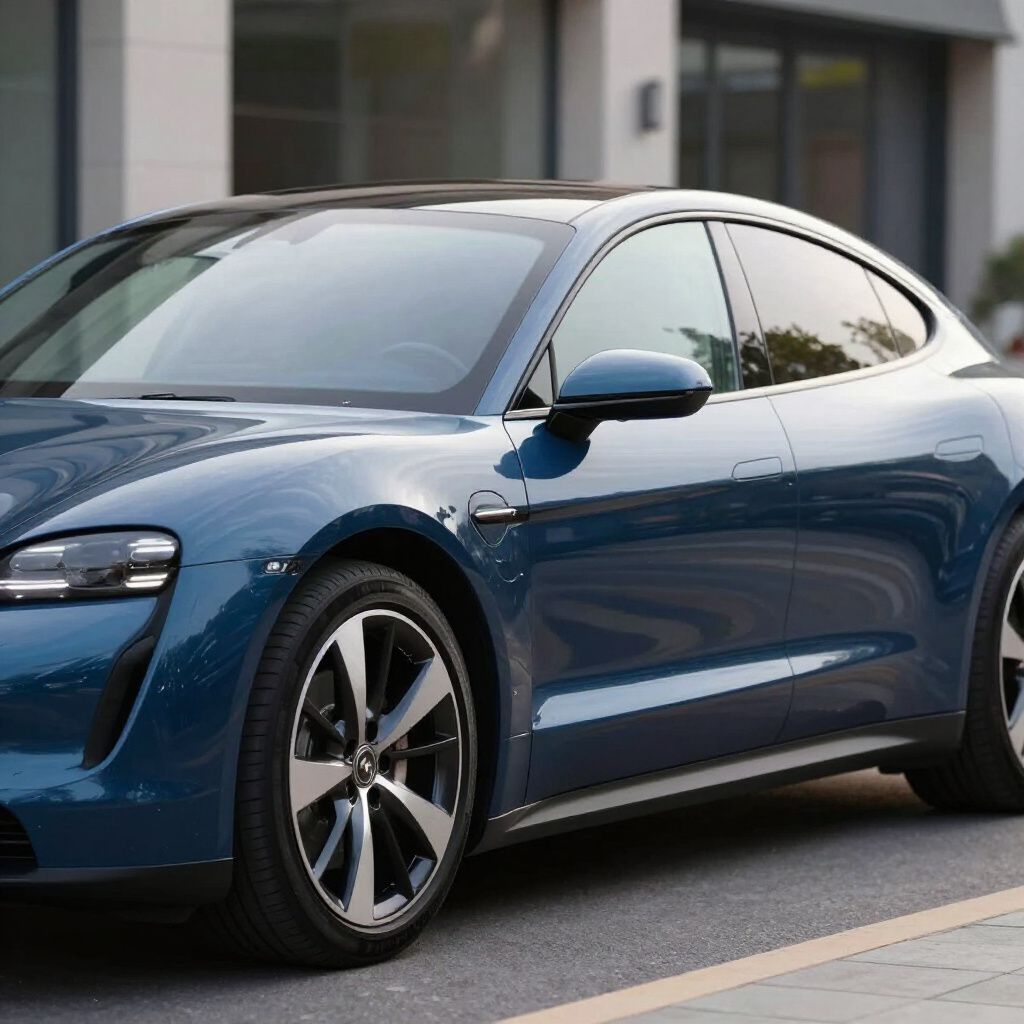
Ceramic Window Tint in Cave Creek, AZ: Does It Really Stop Heat? Cave Creek sees summer highs averaging around 97–103°F, with peaks often exceeding 105–110°F in the Phoenix area, turning parked vehicles into heat traps. Drivers frequently ask if ceramic window tint Cave Creek heat truly cuts interior temperatures in this intense desert climate or if claims are overstated. Yes, premium nano-ceramic films block substantial heat via high infrared heat rejection, often 90%+ IR, leading to noticeably cooler cabins, though performance varies by quality and usage. HITEK’s nano-ceramic offerings, like Ceramic Ultra and Ceramic IR, deliver strong results suited to Arizona’s extreme conditions. What Is Ceramic Window Tint and How Does It Work? Nano-Ceramic Technology Explained Ceramic window tint Cave Creek incorporates tiny nano-ceramic particles that target infrared heat rejection, the main source of radiant heat from sunlight. This non-metallic design blocks heat without disrupting GPS, cell signals, or radio reception, unlike metalized films. HITEK’s Ceramic Ultra provides 96% IR rejection at 1025nm and up to 71% total solar energy rejection (TSER), while Ceramic IR offers 75% broad-range IR rejection (740–2500nm). The technology rejects solar energy at the glass surface, addressing Arizona extreme heat effectively. Does Ceramic Tint Actually Block Heat? Real Performance Stats IR Rejection, TSER, and Heat Reduction Numbers Premium ceramic tint heat rejection excels with high metrics. HITEK Ceramic Ultra hits up to 71% TSER and 96% IR rejection, plus 99% UV block across shades. Lines like Ceramic Plus deliver 90–92% IR rejection and 61–69% TSER based on VLT. Top options achieve up to 95% IR rejection, outperforming basic or carbon films in radiant heat block Arizona. How Much Cooler Does Your Car Get in Cave Creek? Ceramic tint reduces car interior temperature by 20–40°F after 1 hour in direct sun on 110°F+ days. Cave Creek and Phoenix-area drivers note reduced “oven” feel upon entry and quicker AC cooldowns. Interiors stay measurably cooler during extreme desert heat, though parked vehicles all day still accumulate heat, tint slows buildup but doesn’t stop it completely. Pair with shades for best results. Ceramic Tint vs Regular, Carbon, and Other Tints in Arizona Heat Why Ceramic Wins for Desert Summers Ceramic vs regular tint Arizona demonstrates clear advantages: many dyed or basic films provide limited IR block, though this varies by manufacturer. Some carbon films improve over dyed options with moderate IR rejection but typically lag behind ceramic’s 90%+ IR and superior TSER. Metalized options risk signal issues. In Arizona’s brutal climate, ceramic vs carbon tint favors ceramic for maximum heat block Arizona, stability, and best tint for Arizona heat. Premium options, such as those made by HITEK Films , maintain performance under prolonged UV exposure without the fading or bubbling risks associated with lower-quality alternatives. Benefits of Ceramic Tint Specifically for Cave Creek Drivers UV Protection, Glare Reduction, and AC Savings HITEK films block 99% UV rays, preventing interior fading and cracking under intense desert sun. Glare reduces sharply for safer drives. Lower cabin heat eases AC load, practical savings include reduced fuel use from shorter cooldowns in Cave Creek traffic and Phoenix-area summers. Windshield Options for Maximum Heat Block Clear nano-ceramic films like HITEK Ceramic Clear (42% TSER) maximize infrared heat rejection without darkening. Arizona law permits non-reflective tint above the AS-1 line (top 5–6 inches) or fully clear UV/IR films across the windshield with no VLT restriction for clear options. These provide major cooling gains with no visibility problems or significant law enforcement concerns, perfect for glare in Cave Creek. Is Ceramic Window Tint Worth It in Cave Creek? Limitations and Realistic Expectations Ceramic tint dramatically slows heat buildup but doesn’t eliminate it. Prolonged sun exposure means parked cars are still warm from convection and road heat. Pair with parking in shade or ventilation. Avoid the mistake of expecting zero heat without airflow. In Arizona dry heat and UV, some low-quality films may fail over time depending on the manufacturer. Select premium brands, such as those made by HITEK Films , to avoid issues and ensure long-term durability in desert conditions. Choosing the Best Ceramic Tint Brands for Arizona HITEK Films excels with Ceramic Ultra (96% IR, 71% TSER, lifetime warranty) and Ceramic IR (75% IR, color-stable). These rival or surpass other premium options in desert conditions. Opt for warranties covering extreme UV exposure, HITEK’s lifetime options ensure lasting performance.
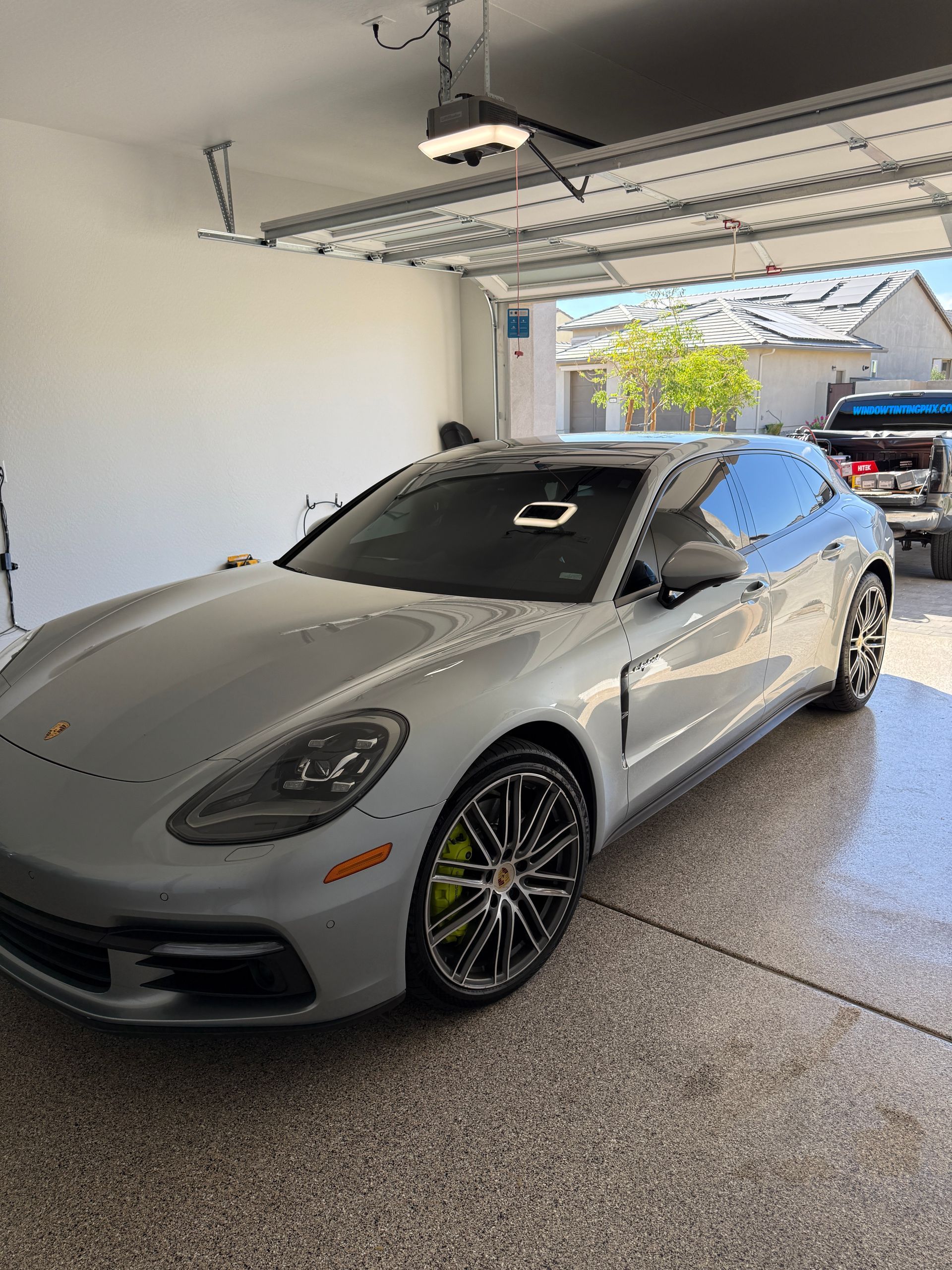
Guide to Choosing the Best Window Tint Shop In Cave Creek, AZ You’re looking for the best window tint shop in Cave Creek AZ for a simple reason. The Sonoran Desert sun is intense. Poor installs lead to faded interiors, signal issues, or even cracked glass. In this climate, shortcuts show fast. This guide breaks down what really matters when choosing a shop that delivers real infrared protection, clean installs, and results that last. Why Quality Matters in the Sonoran Desert Cave Creek heat demands more than dark glass. Good tint must block infrared heat, not just reduce glare. Low-quality shops rely on dyed films that fail quickly. Experienced installers focus on films with TSER above 60% to keep interior temperatures down. The best window tint shop in Cave Creek AZ focuses on performance and durability. The right film and proper installation protect vehicles and homes from long-term heat damage, not just short-term comfort. The Cave Creek Heat Factor: Infrared vs. UV Protection Infrared radiation causes most interior heat. UV protection alone is not enough. Ceramic films can block up to 95% of infrared heat while staying clear and signal-safe. Dyed or carbon films usually stop around 50% IR, which is not enough for desert driving. In Cave Creek, lighter ceramic films often outperform darker ones. They reduce heat without hurting visibility or electronics, making them ideal for daily drivers and luxury vehicles.
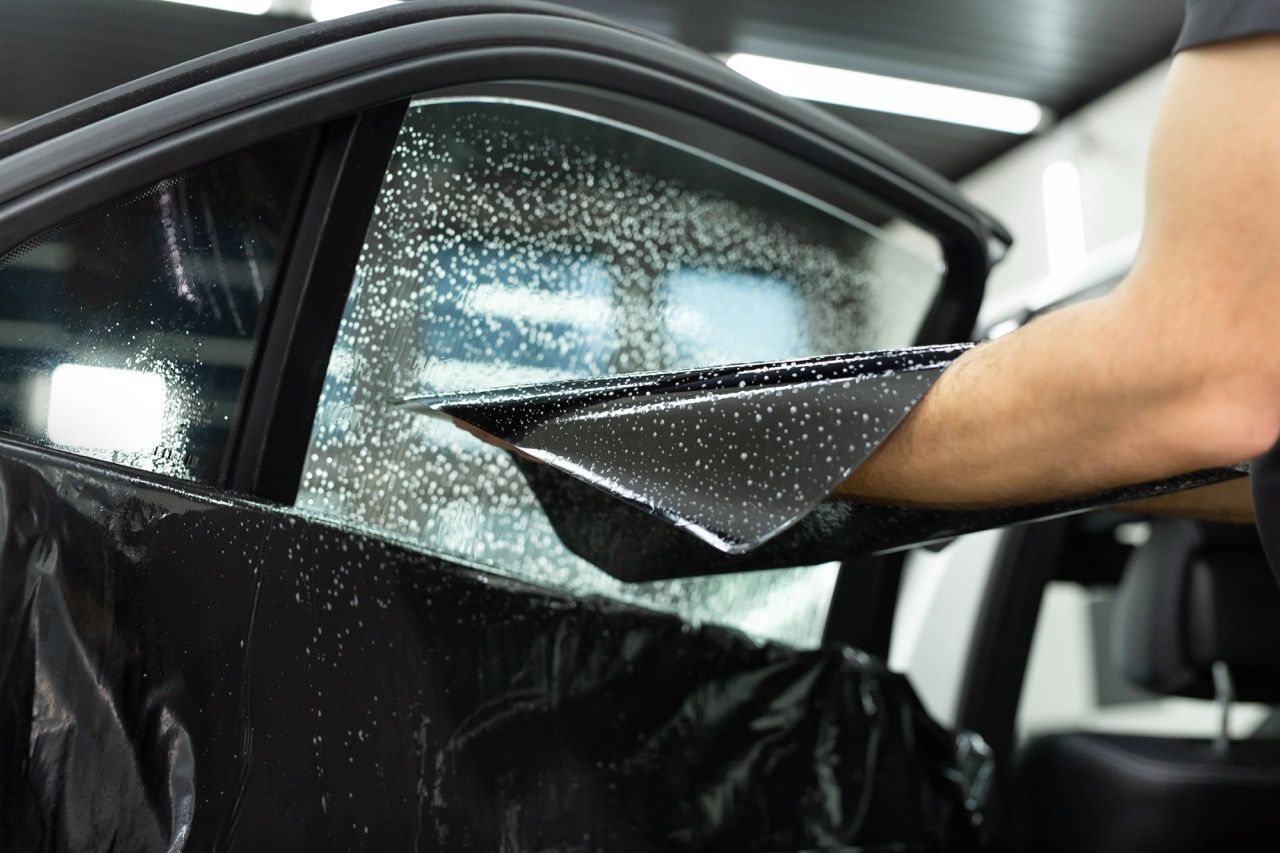
What’s The Difference For Cave Creek, AZ Drivers: Factory Tint vs. Aftermarket Tint Cave Creek drivers comparing factory tint vs aftermarket tint often believe dark glass blocks desert heat. In practice, high-altitude sun still allows heat and UV rays to enter many vehicles. Knowing how factory privacy glass differs from aftermarket window tint explains why interiors overheat and wear faster in Arizona. This guide explains those differences using local climate conditions, performance measures, and Arizona window tint laws. Understanding Factory “Privacy Glass” Factory privacy glass comes standard on many SUVs and trucks in Cave Creek. It darkens the glass during manufacturing instead of using applied film. This design improves privacy but offers limited heat and UV control. Is it just colored glass? (Aesthetics vs. Heat Rejection) Factory tint uses dyes or metal oxides fused into the glass during production. This process changes appearance but adds no layer that blocks infrared heat. Because of this, ceramic tint vs privacy glass compares visual shade with real thermal performance. The UV Gap: Why factory glass doesn’t prevent sun damage Factory glass blocks only small amounts of UVA radiation. These rays penetrate skin and contribute to long-term sun damage. Dark rear windows create shade but do not protect passengers from UV exposure.
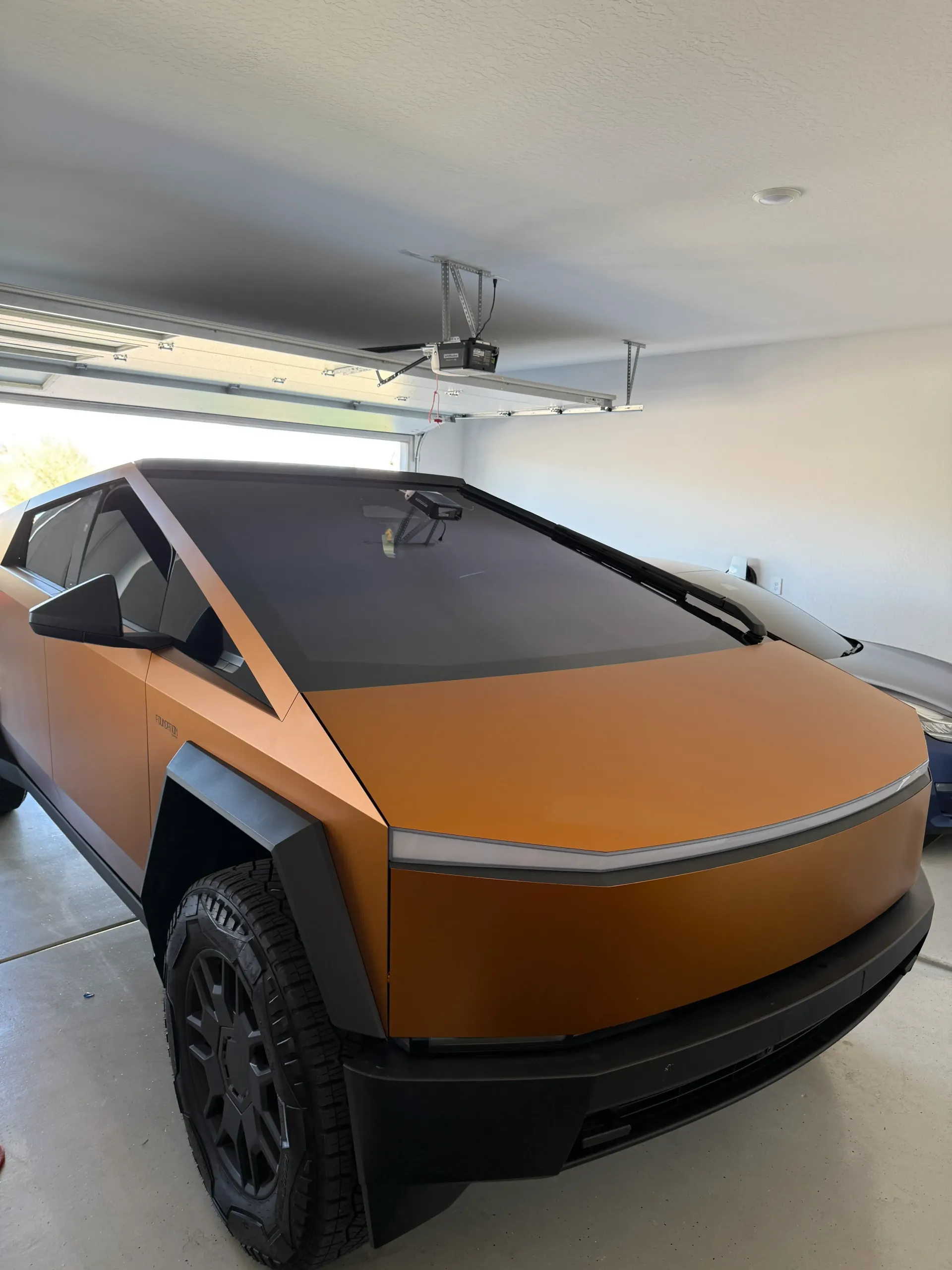
Windshield Tint in Phoenix: What’s Allowed + What the “AS-1 Line” Means
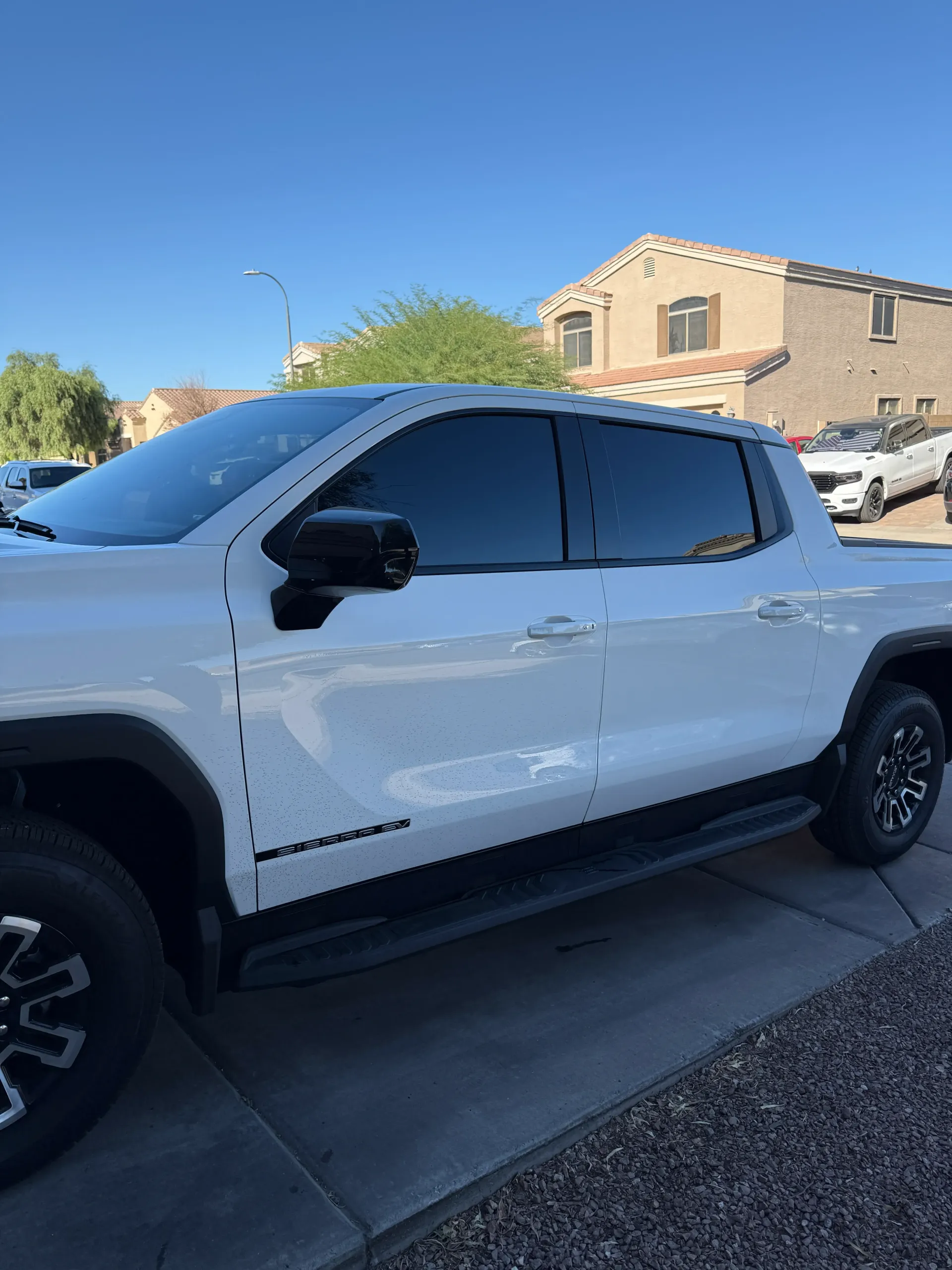
Best Window Tint Percentage for Phoenix: 5% vs 20% vs 35% (What It Looks Like)
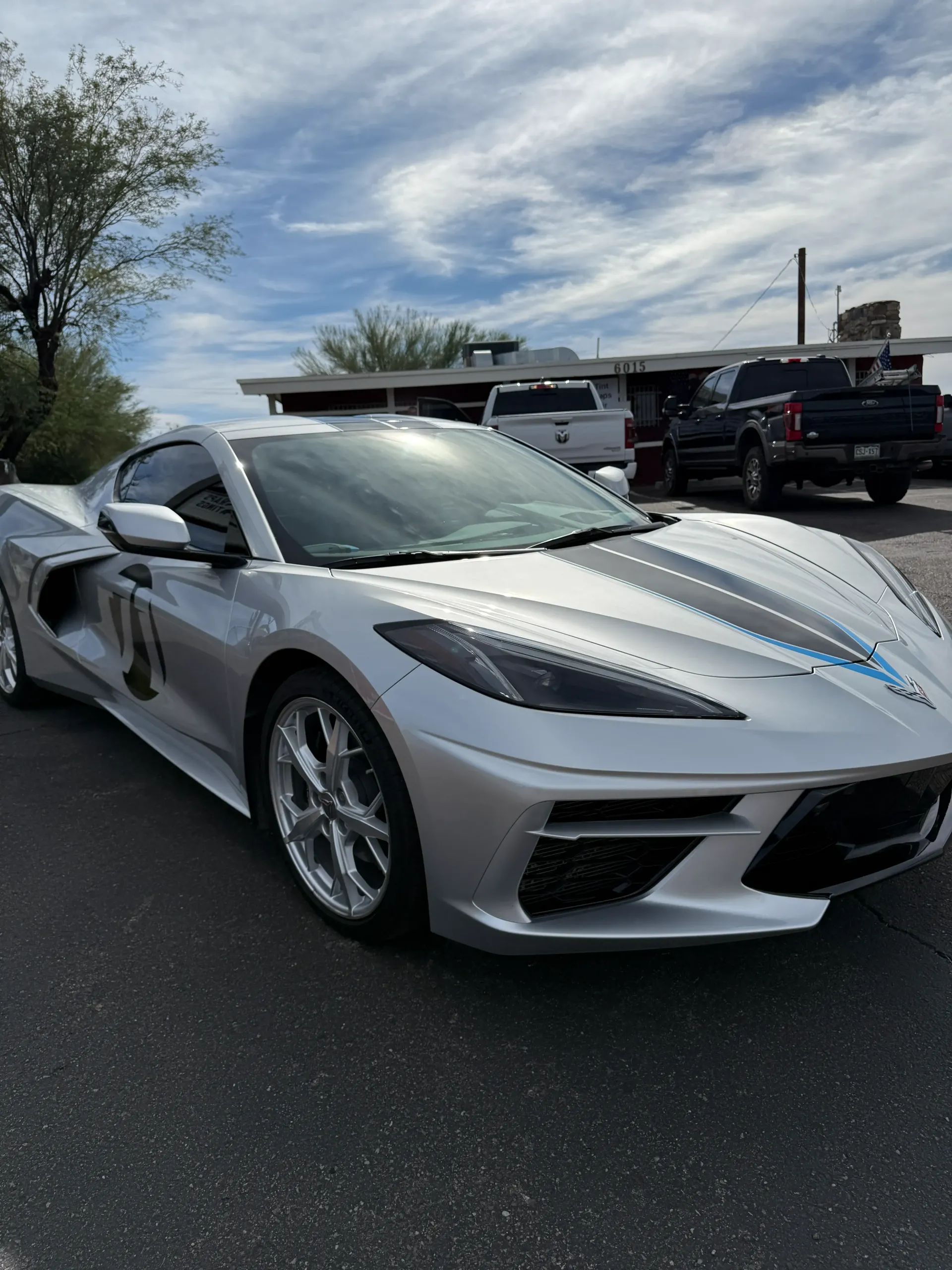
How Much Does Window Tint Cost in Phoenix? Real Pricing Factors (Not Guesswork)
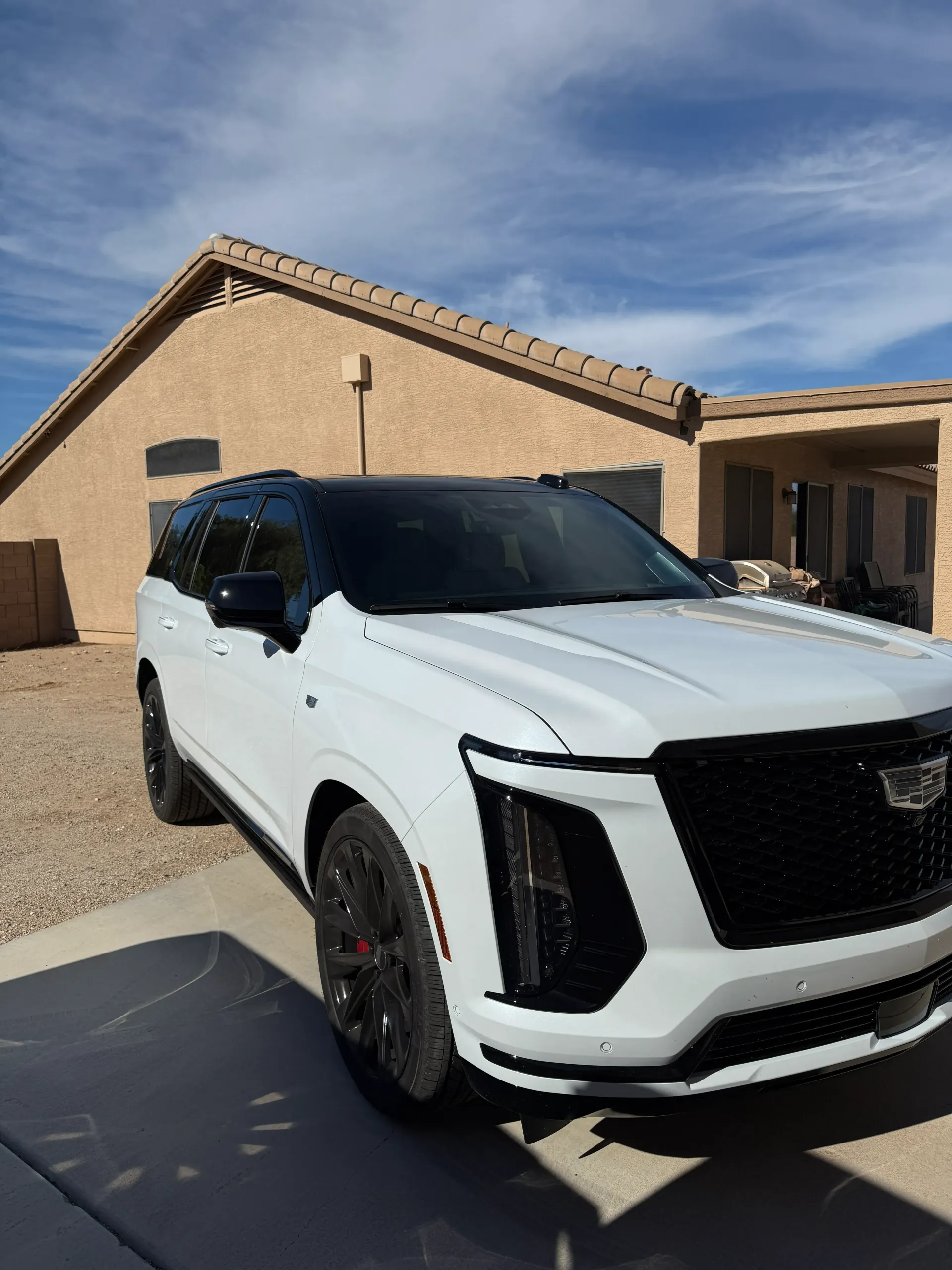
Ceramic vs Carbon vs Dyed Window Tint: What’s the Difference for Cave Creek Drivers?