
How Does Architectural Window Film Work in Phoenix, AZ? Phoenix’s Sonoran Desert climate delivers some of the highest UV intensity and most sustained heat of any major metropolitan area in the country. Architectural window film is a professional-grade solution applied directly to building glass that intercepts solar energy before it drives up interior temperatures, damages furnishings, and strains cooling systems across homes and commercial properties throughout the Valley. Defining Architectural Window Film Architectural window film is a thin, optically engineered layer bonded to the interior surface of fixed building glass. It functions as a selective filter across the solar spectrum, managing heat, UV radiation, and glare without requiring window replacement or structural modification. How Architectural Window Film Works Window film works by addressing solar energy at the glass surface before it enters the building interior. The solar spectrum carries visible light, infrared radiation, and ultraviolet radiation, each contributing differently to heat buildup, glare, and interior material damage. Blocking Infrared Heat Infrared radiation is the primary source of heat buildup in buildings with significant glass exposure. High-performance architectural films use nano-ceramic particle technology to intercept infrared wavelengths at the glass surface, reducing interior thermal load without requiring a heavily tinted or darkened appearance. Filtering UV Radiation Ultraviolet radiation passes through standard untreated glass and causes cumulative damage to flooring, upholstery, artwork, and merchandise over time. Quality architectural film blocks the vast majority of UV radiation at the glass surface while maintaining a clear, bright interior view. Core Benefits for Phoenix Properties Phoenix’s combination of extreme heat, intense sun, and long cooling seasons makes architectural window film a practical investment across residential and commercial property types. Heat rejection intercepts solar infrared energy at the glass surface, lowering interior temperatures and reducing the demand placed on air conditioning systems throughout Phoenix’s extended summer season. Glare reduction softens the intense afternoon light that enters through south- and west-facing glass, improving comfort and visibility in offices, retail spaces, and residences without eliminating natural daylight. UV protection shields interior furnishings, flooring, merchandise, and artwork from the fading and material degradation that sustained ultraviolet exposure causes through untreated building glass. Architectural Film vs. Automotive Tint Architectural and automotive window films share a common purpose but are engineered as distinct products for distinct applications. Architectural film is designed for large, fixed building glass panels with different thermal dynamics, adhesive systems, and surface dimensions than vehicle glass. The installation process requires professional tools and techniques specific to building glass, and the film specifications are calibrated for the structural and thermal properties of fixed building surfaces rather than curved vehicle windows. Choosing the Right Film Type for Your Phoenix Property Film material technology determines how well a product holds up under Phoenix’s sustained UV intensity and extreme thermal cycling. In a general sense, depending on the manufacturer, lower-grade dyed films can fade, discolor, or experience adhesive failure under the conditions Phoenix buildings face year-round. Carbon-hybrid films offer improvement over basic dyed products but may still fall short under sustained desert UV exposure depending on the manufacturer’s standards. Nano-ceramic films represent the current performance standard for architectural applications, using non-metallic ceramic particles to deliver strong infrared rejection and UV protection with long-term durability in demanding climates like Phoenix’s. Frequently Asked Questions About Architectural Window Film in Phoenix How does architectural window film handle Phoenix’s extreme heat? Phoenix’s desert climate subjects building glass to sustained UV intensity and extreme summer temperatures that standard glass does nothing to filter. High-performance nano-ceramic architectural film is engineered to intercept infrared heat and UV radiation at the glass surface before those forces affect interior conditions and materials. The thermal cycling Phoenix buildings experience year-round demands a film with proven adhesion stability and heat rejection performance under desert conditions. Will window film cause my building glass to crack? Thermal stress is a legitimate consideration with certain film types applied to certain glass configurations, which is why professional evaluation of your glass type, frame material, and sun exposure matters before any installation. Nano-ceramic films generally produce a lower thermal load than dark or highly reflective options, making them a safer fit across a wider range of Phoenix building glass types. A qualified installer selects the specification matched to your property’s specific conditions. How long does architectural window film last in Phoenix? Premium nano-ceramic architectural film installed by a professional is built to perform for many years without peeling, bubbling, or color shift. In a general sense, depending on the manufacturer, lower-grade dyed or hybrid films can degrade faster under the sustained UV intensity Phoenix buildings face. High-performance ceramic films are engineered for demanding desert climates and carry manufacturer warranty coverage that reflects their long-term durability. Does window film reduce cooling costs for Phoenix properties? Window film reduces the solar heat entering a building through glass, which lowers the thermal load that air conditioning systems must manage throughout Phoenix’s long cooling season. Reducing solar heat gain at the glass level can contribute meaningfully to lower energy consumption over time, particularly for properties with large glass areas or significant south- and west-facing exposure. The degree of impact depends on the building’s glass configuration and the specific film specification installed.
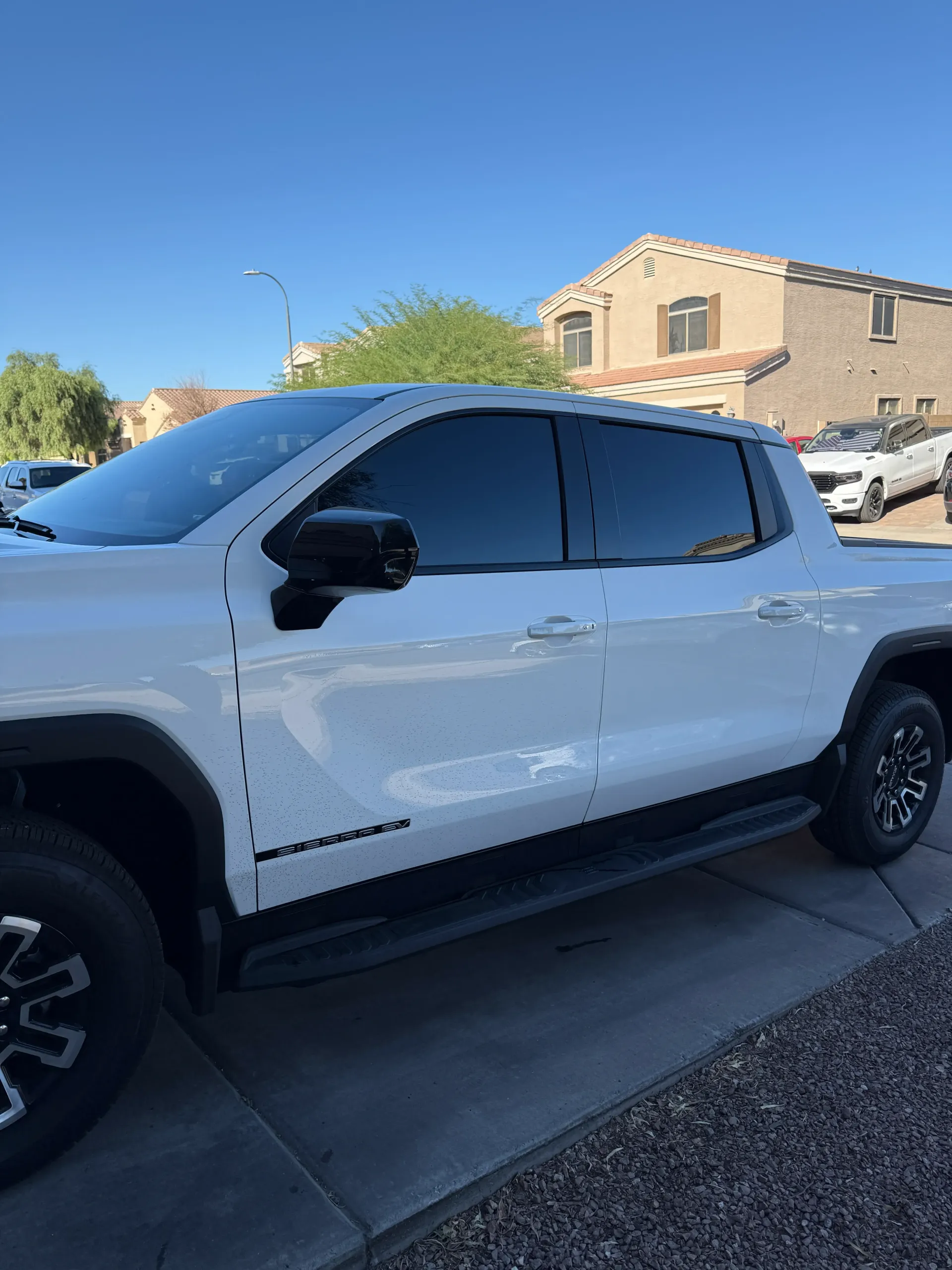
Best SUV Window Tint for Cave Creek, AZ: 2026 Heat Protection Guide Drivers searching for the best window tint for SUVs in Cave Creek, AZ face one of the most demanding climates in the country. The Sonoran Desert brings extreme heat, intense UV exposure, and fine dust that can wear down standard materials over time. SUVs are especially affected because of their larger glass surface area, which allows more heat and sunlight to enter the cabin. This guide explains which window tint technologies perform best in Cave Creek and what factors matter most for long-term durability. Why Standard Window Tint Fails in Cave Creek’s Desert Heat Standard dyed window films are designed primarily to reduce glare. In the general sense, they provide limited infrared heat rejection and may degrade faster under prolonged sun exposure, depending on the manufacturer. In SUVs, this limitation becomes more noticeable. Larger windows, including rear cargo glass and roof panels, allow more heat to build up inside the vehicle throughout the day. Cave Creek’s elevation also increases UV intensity, which can accelerate fading and wear on interior surfaces. In addition, desert dust can create micro-scratches along window edges during regular use. High-performance films with protective coatings are better suited for this environment because they are designed to maintain clarity and durability under these conditions. Ceramic vs. Carbon Window Tint for Arizona SUV Drivers Window tint performance depends largely on the type of film used. The three main categories are dyed, carbon, and nano-ceramic films. Dyed films provide basic privacy and glare reduction but limited heat control. Carbon film improves heat rejection and color stability, offering a mid-range option for SUV owners. Nano-ceramic film represents the highest level of performance, using non-metallic particles to block heat at the infrared level rather than just reducing visible light. Nano-Ceramic Film for Large Cabins Nano-ceramic film is engineered to block a significant portion of infrared radiation before it enters the vehicle. This reduces heat buildup across the entire cabin, which is especially important for SUVs with large glass areas. Because it does not contain metal, nano-ceramic film does not interfere with GPS, mobile signals, or vehicle sensors. It is designed to maintain performance and clarity over time, even under intense sun exposure. For larger vehicles, the benefit is more consistent temperature control and reduced strain on the vehicle’s air conditioning system during hot conditions. How Infrared Rejection Improves Cabin Comfort Infrared radiation is the primary source of radiant heat felt inside a vehicle. Even when air temperature is similar, surfaces exposed to infrared energy can feel significantly hotter. Window films with high infrared rejection reduce this heat buildup, helping interior surfaces stay cooler. This difference becomes more noticeable in SUVs, where larger windows allow more solar energy to enter. In desert conditions like Cave Creek, nano-ceramic films generally provide stronger infrared rejection than carbon films, making them more effective for long-term heat control. Protecting Your SUV’s Interior from UV and Heat Damage Cave Creek’s environment exposes vehicles to strong UV radiation throughout the year. In SUVs, the larger interior space and expanded glass areas increase the amount of sunlight reaching seats, dashboards, and trim. High-performance films are designed to block nearly all UV radiation, helping slow the fading and wear of interior materials. This is especially important for vehicles with leather, soft-touch surfaces, or panoramic glass roofs. A clear ceramic film applied to the windshield can also reduce heat and UV exposure without changing visibility. This type of application is often used to improve overall cabin comfort while maintaining a natural appearance. Cost Factors for SUV Tinting in Cave Creek SUV window tinting typically requires more material and installation time than smaller vehicles. Larger windows, rear cargo glass, and curved surfaces all contribute to the complexity of the installation. Film type is one of the main factors influencing cost. Higher-performance materials, such as nano-ceramic films, involve more advanced manufacturing processes. Additional coverage, such as windshields or panoramic roofs, also affects the overall scope of the installation. Durability is another consideration. High-quality films are designed to resist bubbling, peeling, and fading over time, which is particularly important in areas with strong sun exposure like Cave Creek. Frequently Asked Questions What is the best window tint for Arizona heat? Nano-ceramic film is widely considered one of the most effective options for reducing heat in high-temperature environments because of its ability to block infrared radiation. What are the window tint laws for SUVs in Arizona? Arizona generally requires front side windows to allow a certain level of visible light transmission. Rear windows on SUVs are less restricted, while windshield tint is typically limited to a strip at the top. Why does SUV tinting cost more than sedan tinting? SUVs have larger and more complex glass areas, including rear cargo windows and roof panels. These require more material and precision during installation. How long does ceramic tint last in desert conditions? High-quality ceramic films are designed for long-term performance and are built to withstand prolonged sun exposure, though longevity can vary depending on installation and product quality. 📞 Call *phone number* for a professional assessment of your vehicle and find out which window tint solution provides the right balance of heat reduction, UV protection, and long-term durability for your SUV in Cave Creek.